

Our team had a blast at AWE 2026. Bigger booth, better conversations, more energy than ever. There was a noticeable shift this year: enterprise XR programs are scaling and teams are eager for the new-to-market form factors. After a week in Long Beach, here's what stood out to us.
From the Show Floor
AI smart glasses were everywhere at AWE this year. XREAL Aura, Vuzix, Mentra, the NVIDIA Helix built with Viture and Rana AI. We've been hearing the appetite for this form factor in customer conversations for months. AWE confirmed it.
The ArborXR booth was busy from day one and didn't slow down. Between lattes churned out by our on-site barista and back-to-back demos, the team was running at full speed each day of the conference.
We demoed enterprise essentials like device management and ArborXR Insights, along with new features like Remote Assistance. Enterprise buyers, XR program leads, and ISV partners came in with specific questions about deployment infrastructure, security, and how to prove ROI to leadership. Not "should we do XR?" questions. "How do we scale what we already have?" questions. That felt new.
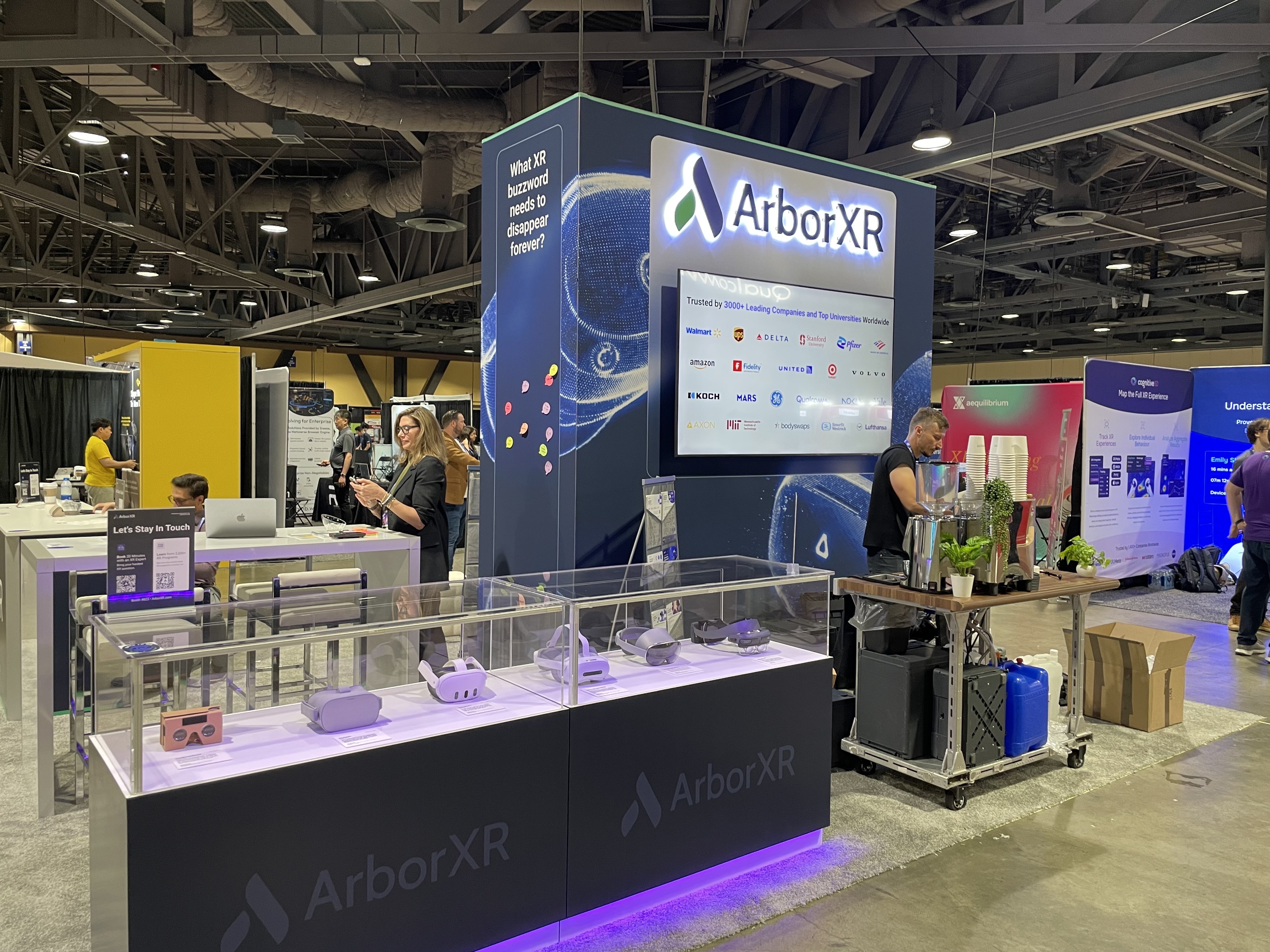
We had the HMS Networks SiNGRAY G2 on display, live and running on ArborXR. We're a launch-day fleet management partner for the G2, which is an IP65-rated, standalone optical see-through mixed reality headset built for factory floors and field service environments. We also had the Samsung Galaxy XR running demos, and Meta Ray-Ban glasses to show off remote assistance features. Three different form factors, one booth, all supported through ArborXR. Visitors who came asking about headsets left thinking about AI glasses.
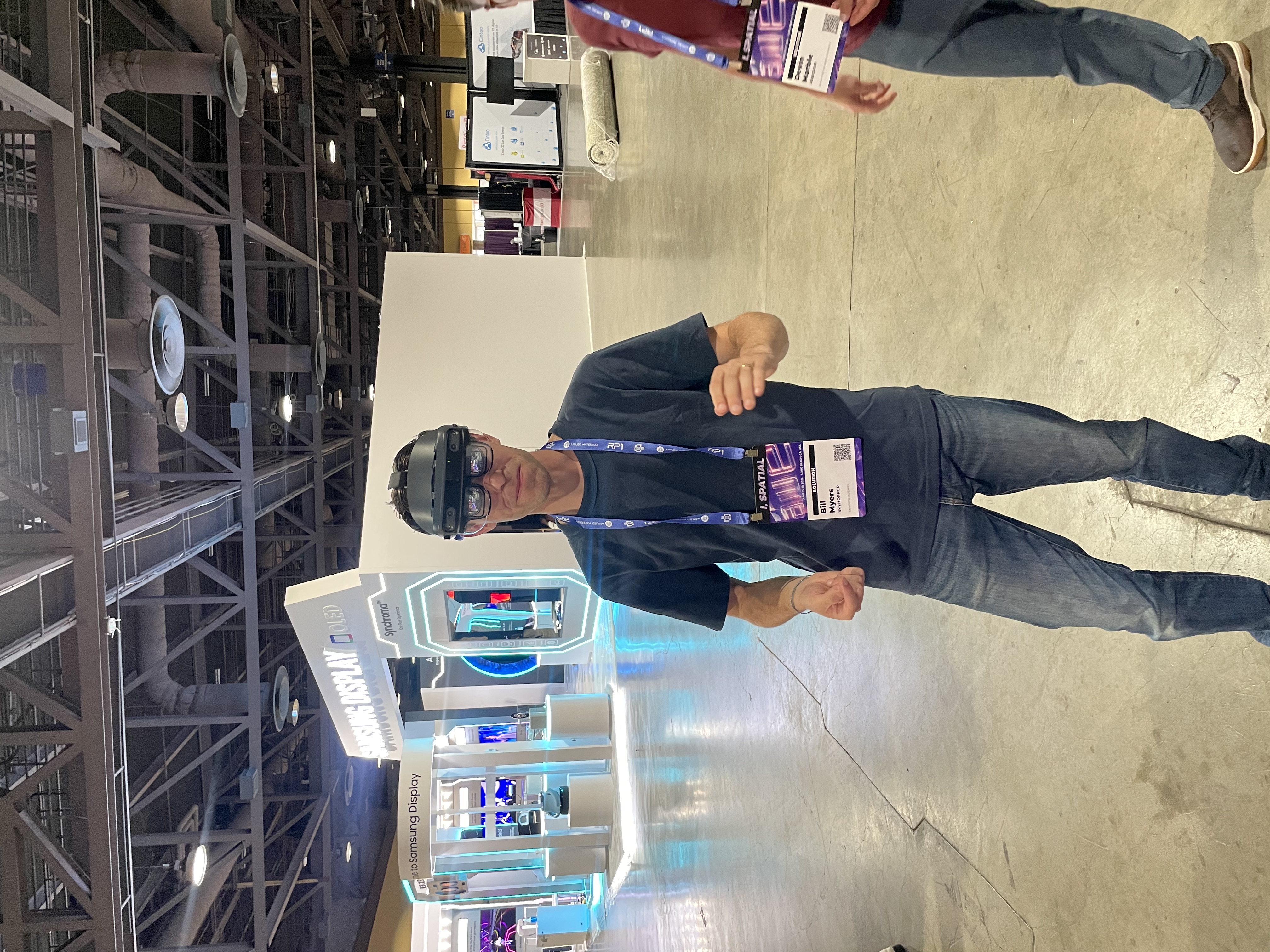
The Remote Assistance demos drove that conversation in particular. ArborXR is the first MDM to support Meta AI glasses, and the questions that came with that demo were pointed: which industries are moving first, what does the use case actually look like, how do you manage a fleet of glasses the same way you manage headsets, and how do you prove it works. Healthcare, field service, manufacturing, and defense all came up repeatedly.
And then there was the floor. AI smart glasses were everywhere at AWE this year. XREAL Aura, Vuzix, Mentra, and many more. We've been hearing the appetite for this form factor in customer conversations for months. AWE put numbers on it.
On the Stage
XR Go-to-Market Roundtable with Devin Marble
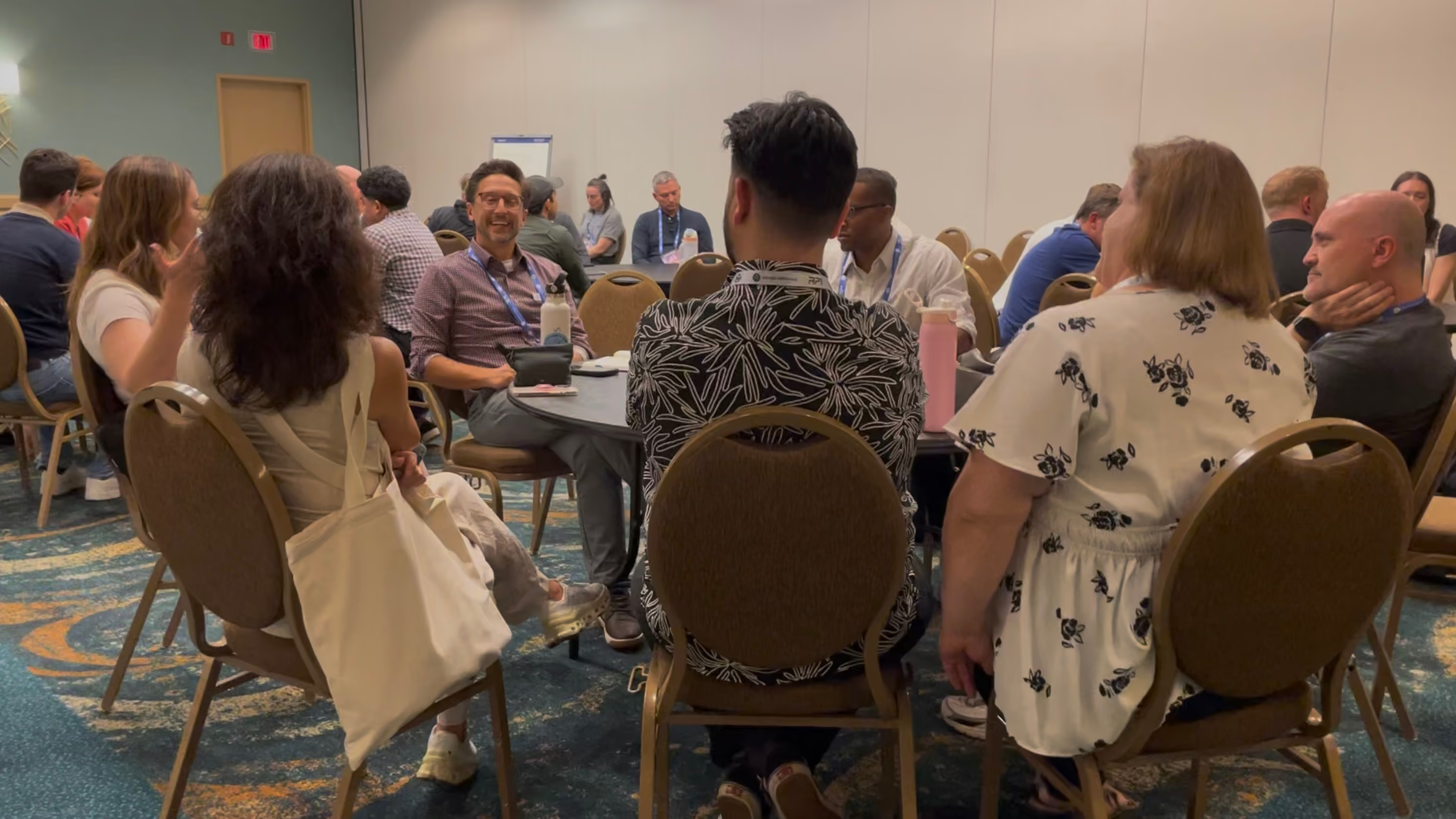
Day 1 started with Devin and Bill Myers from ArborXR hosting an XR go-to-market roundtable alongside Will O'Donnell from Groove Jones, Annie Eaton and Amy Stout from Futurus, and Inga Petryaevskaya from ShapesXR. The conversation covered what's actually working in XR go-to-market right now, where programs stall, and how to build for enterprise customers who need more than a demo.
Brad Scoggin on the AWE Main Stage
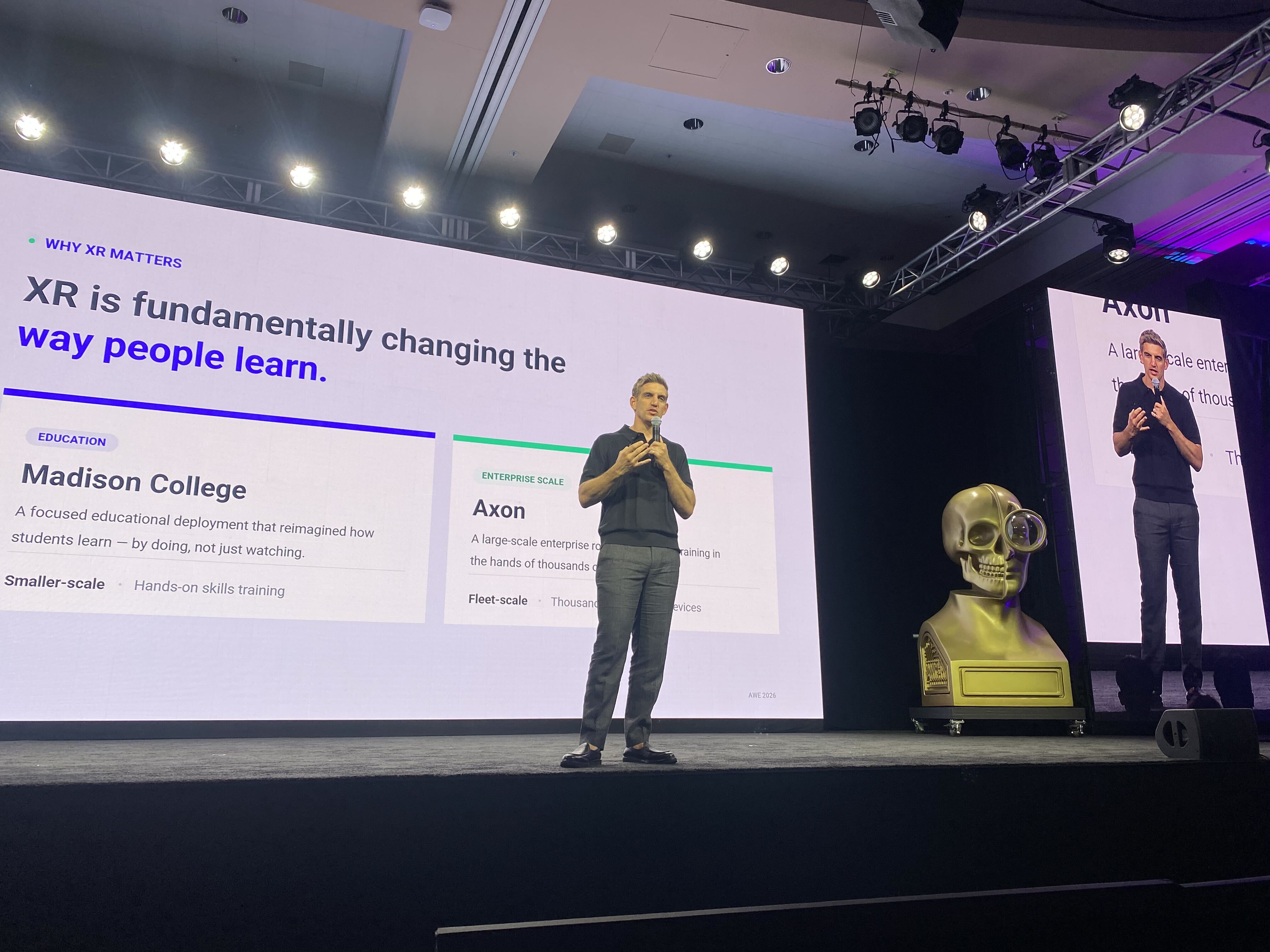
On Day 2, Brad took the AWE Main Stage with "The 5 XR Program Killers (And How to Survive Them)."
The session drew from real patterns we see across enterprise XR deployments: the organizational and operational issues that kill programs before they ever reach scale. Not product problems. Program problems. Over 600 attendees packed the room, and people were posting about it on LinkedIn before the session was over. It landed because we don't pretend enterprise XR is easy. We just try to give people a clearer map of what to watch out for.
Watch Brad's full keynote here.
An Enterprise XR Survival Story
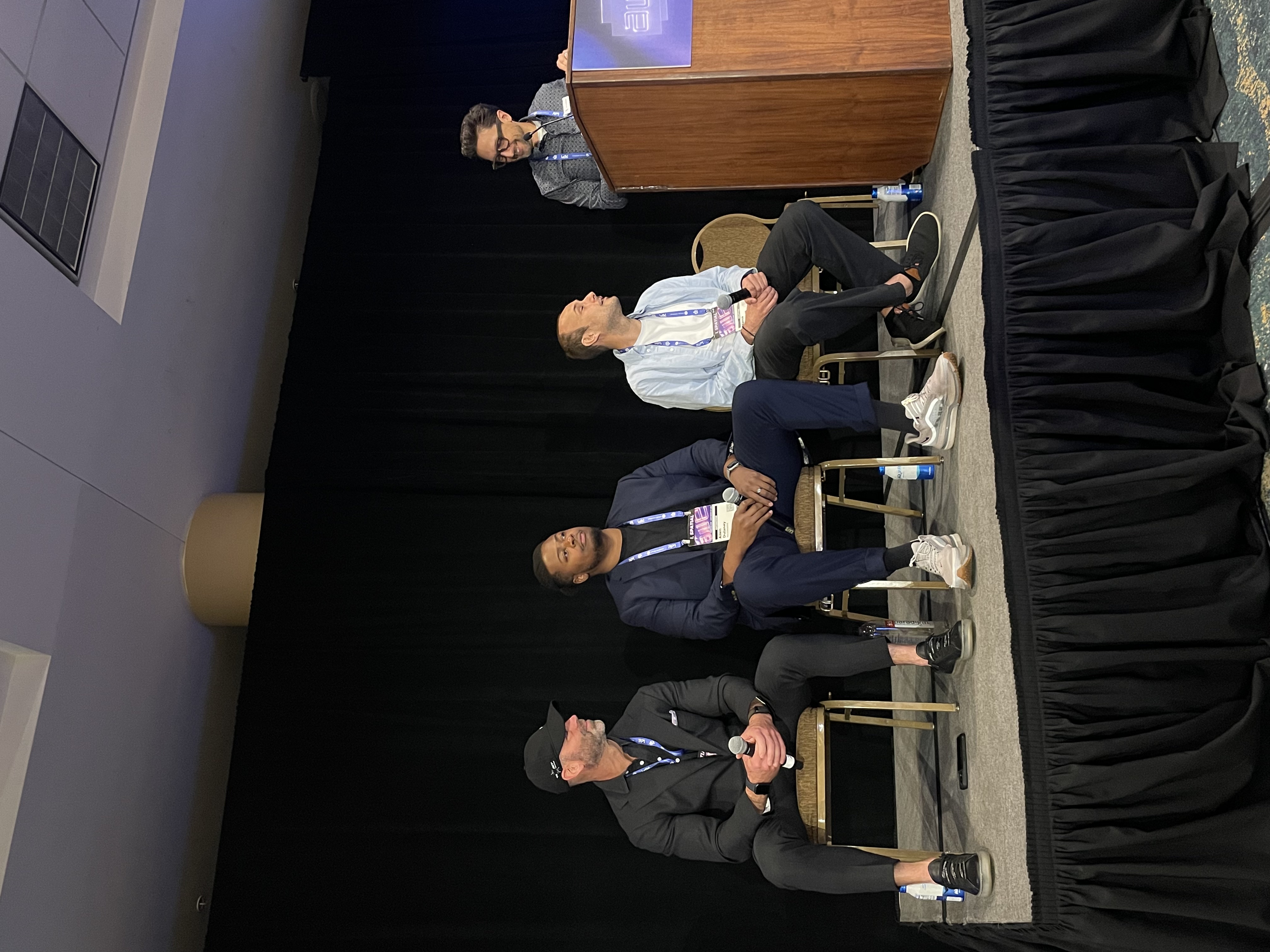
Day 3, Devin moderated a panel on the Enterprise Stage alongside Allen Dulaney from Nationwide Insurance, Marco Janmaat from VR Expert, and Dax Leepart from PICO XR. The conversation picked up where Brad's talk left off: the specific killers these teams actually hit, and what it took to get past them. Real obstacles paired with what it took to reach real outcomes.
What You Loved About AWE
We asked our team and the people we met on the floor the same question all week: what's your favorite part of AWE?
“AR and smart glasses are driving a new class of XR programs with a different buyer persona. The use cases feel much more immediately obvious to business buyers: less 'pilot and prove it' and more 'when can we start.” - Miles Beckstead, Head of Revenue, ArborXR
“What a great event, both for new business and for the sheer fun of it. The energy was high, and there's a fresh wave of interest in XR driven by AI glasses. Several Fortune 500 companies approached us wanting to restart XR programs that had gone dormant since COVID. One XR champion told me five separate departments had reached out to her in just the last three months interested in XR and restarting VR training or doing a pilot with AI glasses.” - Will Stackable, CMO and Co-Founder, ArborXR
“AWE is my favorite conference of the year. It gets a big chunk of our team in one place and puts us face to face with customers and partners. This year was a big one for us, with the debut of Remote Assistance on Meta AI glasses. You could feel how much momentum is building around smart glasses and wearables. Our co-hosted dinner with Qualcomm was a highlight as always, bringing together XR champions from all kinds of enterprises. Finally, the coffee cart at our booth was a highlight both because the coffee was delicious and because of the foot traffic it brought in.” - Josh Franzen, Principal Product Manager, ArborXR
“We all see the hardware and love the new announcements, but it really is about the community and the partnerships and all that we can accomplish together.” - Annie Eaton, CEO, Futurus
And highlights from attendees throughout the week:
- "I'm like a kid in a candy store"
- “The community: so many like-minded people in one place.”
- “Meeting people, connecting, seeing people I only get to see at AWE.”
- "I finally got to meet the Arbor team in person"
- “The Samsung Galaxy XR”
- “New tech, new use cases”
- “The creativity of people in XR"
Every answer was a little different, but almost all of them came back to the same thing: the people. The AWE community is genuinely enthusiastic about this space in a way that's hard to replicate anywhere else.
What It All Means For XR
The headset was never the hard part. That was the tagline at our booth this year, and three days of conversations confirmed why.
The hard part is scale. It's building a system that supports a program as it grows, across more devices, more users, and more organizational complexity than most teams plan for up front. The companies winning with XR right now have figured that out. The ones struggling are often still treating it like a hardware problem.
AWE 2026 made clear that this challenge is only getting more interesting. More form factors, sharper use cases, and a market that is genuinely ready to move. The question is whether the infrastructure is ready to move with it.
We think it is, because we're building for exactly this moment.
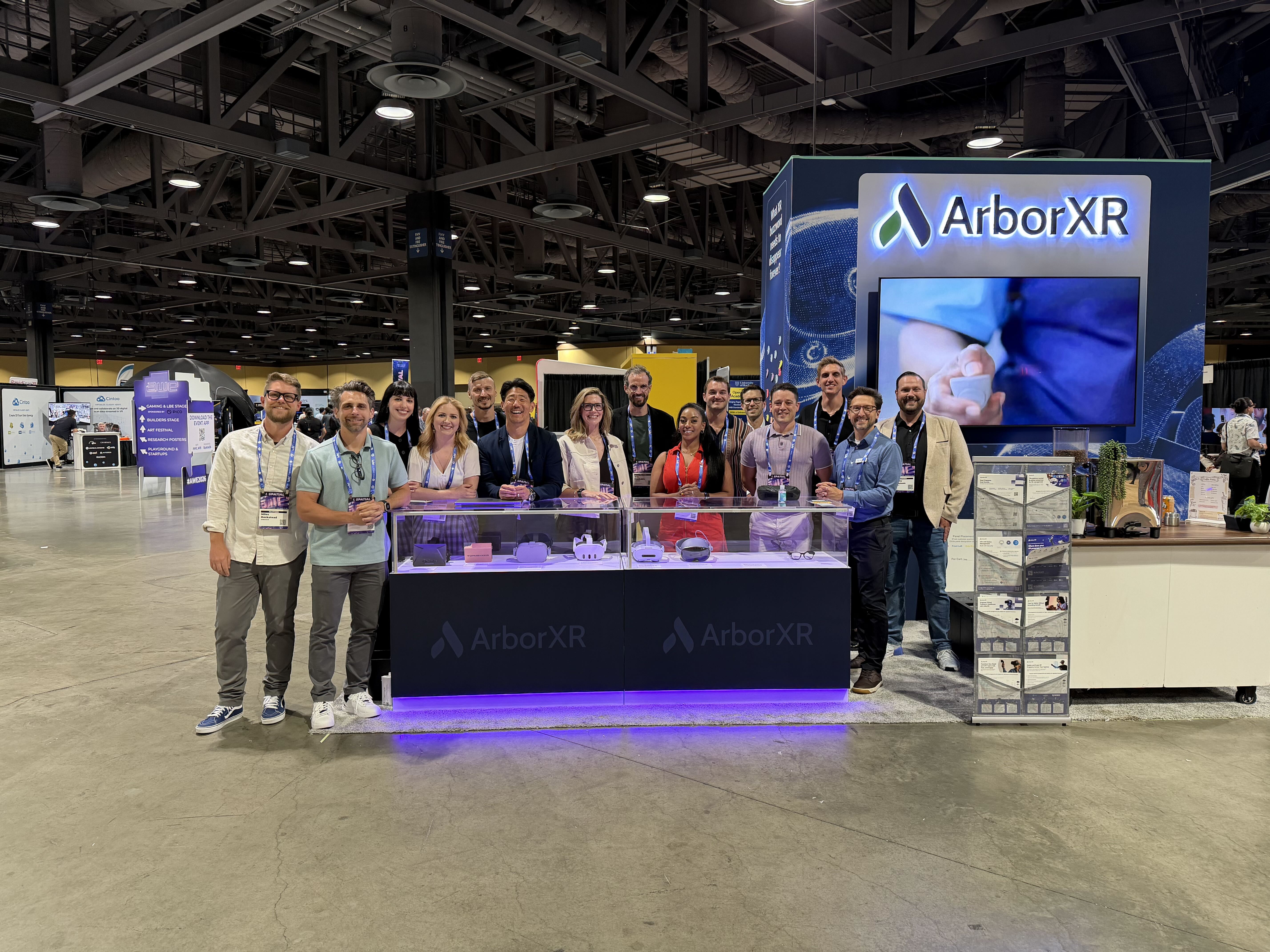
Thanks to everyone who stopped by, caught a session, or just said hi on the floor. It was a great week for XR and we’re excited to see what the rest of this year holds for our industry.
See you at AWE 2027!